



At The Spice Club, we strive for transparency and quality in all our products. Therefore, we'd like to inform you about a recent article from the Consumers' Association exposing the salt levels in meal mixes. The article, written by Thomas Cammelbeeck, reveals some remarkable and concerning findings about the amount of salt in many of these popular mixes.
What are Meal Mixes?
Meal mixes are packages that often consist of one or more sachets of spice mix, sauce mix, and/or dressing, sometimes supplemented with additional ingredients such as rice or lasagna sheets. These mixes are intended to simplify preparing a complete meal for several people. However, the contents of these sachets and packages are often far from healthy. They consist mainly of starch, salt, and vegetable powder, with only a small percentage of herbs and spices.
Results by Brand
The Consumers' Association study examined the complete range of meal mixes from the nine largest suppliers. The analysis of 173 different meal mixes revealed that 126 packets and bags contained unhealthy amounts of salt. The mixes from Knorr (Unilever) and Maggi (Nestlé) were the saltiest, with approximately 3 grams of salt per serving. Conimex's Bami Goreng Spice Mix took the cake, with a whopping 5 grams of salt per serving. For comparison, the Netherlands Nutrition Centre recommends a maximum of 2 grams of salt per main meal.
Here are the details per brand:
| Brand | Number of Mixes | Salt per Serving | Mixing with Unhealthy Lots of Salt |
|---|---|---|---|
| Knorr | 58 | 3.0 g | 90% |
| Maggie | 16 | 2.9 g | 95% |
| Silvo | 9 | 2.7 g | 65% |
| Verstegen | 25 | 2.4 g | 70% |
| Conimex | 11 | 2.4 g | 55% |
| Santa Maria | 8 | 2.3 g | 65% |
| Lidl | 9 | 2.2 g | 55% |
| Jumbo | 16 | 1.9 g | 50% |
| Honey | 21 | 1.8 g | 50% |
Why is Too Much Salt Unhealthy?
Excessive salt consumption can lead to more than just thirst. Salt retains fluid and therefore raises blood pressure, increasing the risk of cardiovascular disease. Moreover, your kidneys have to work extra hard to remove excess salt from your body, which can lead to kidney damage. In the Netherlands, more than 2 million people have chronic kidney disease. The Health Council recommends a maximum of 6 grams of salt per day, but the average Dutch person consumes about 8 grams daily.
Easy Solution
A consumer panel of 4,857 participants found that 84% believe a meal mix should contain no more than 2 grams of salt per serving. Most panel members indicated that they consider a meal mix without salt, or with a separate sachet of salt, to be the ideal solution. Unfortunately, only six meal mixes currently meet these criteria:
- Santa Maria Seasoning Mix for Taco No Salt or Sugar Added.
- Santa Maria Seasoning Mix for Fajita No Salt or Sugar Added.
- Honey Naturally full of flavour base for Chili con Carne.
- Honey Naturally full of flavour base for Nasi Special.
- Honey Naturally full of flavour base for Macaroni and Spaghetti.
- Honey Naturally full of flavour, the basis for Bami Special.
How the consumer association tests
The study examined the complete range of meal mixes from the nine largest suppliers, a total of 173. The salt content per serving after preparation was used, including both the salt from the mix itself and the salt from the added ingredients. If this was not clearly stated on the label, the salt content was calculated independently.
Conclusion
The Consumers' Association's findings emphasize the importance of making informed choices when purchasing meal mixes. Many of these products contain unhealthy amounts of salt, which can contribute to long-term health problems.
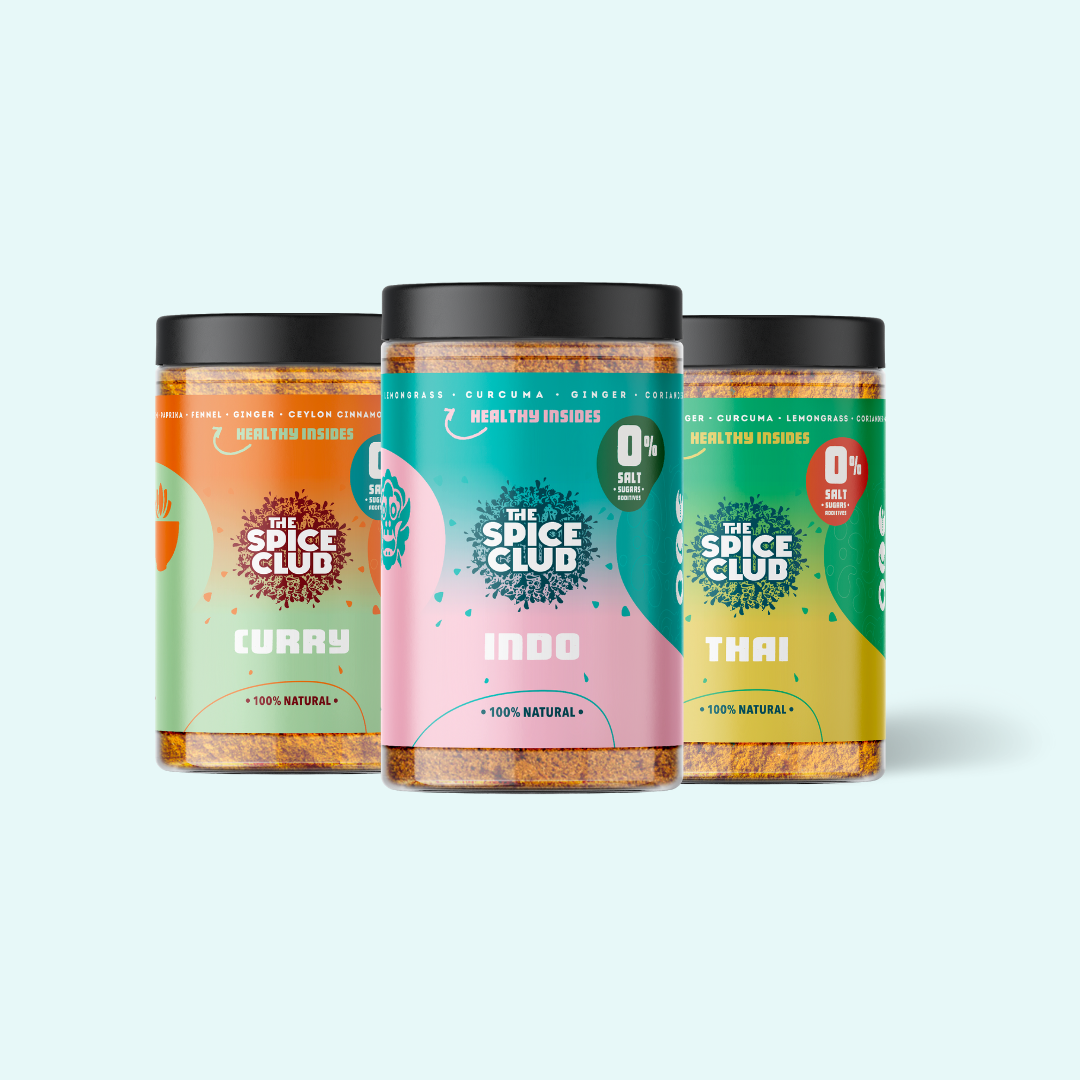
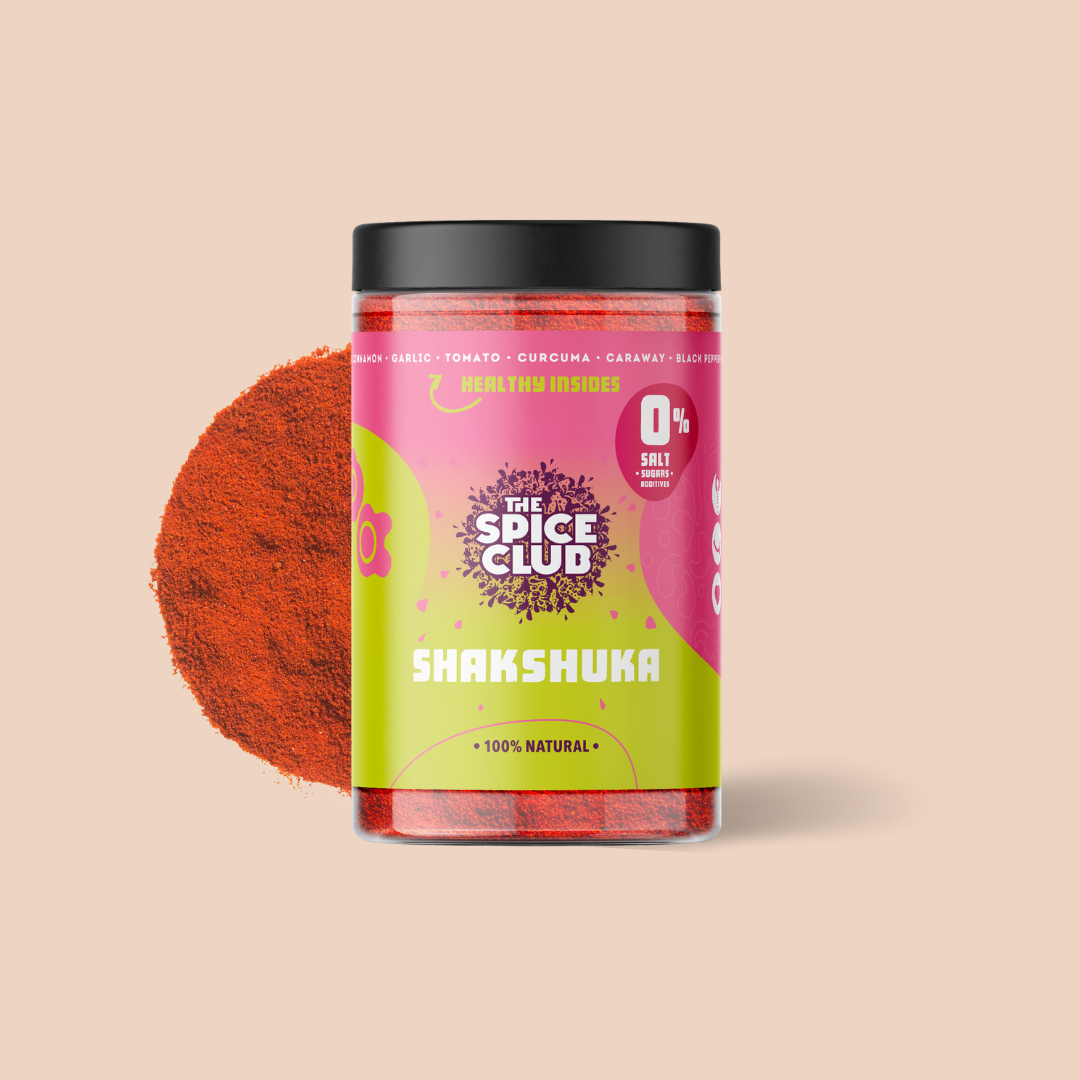
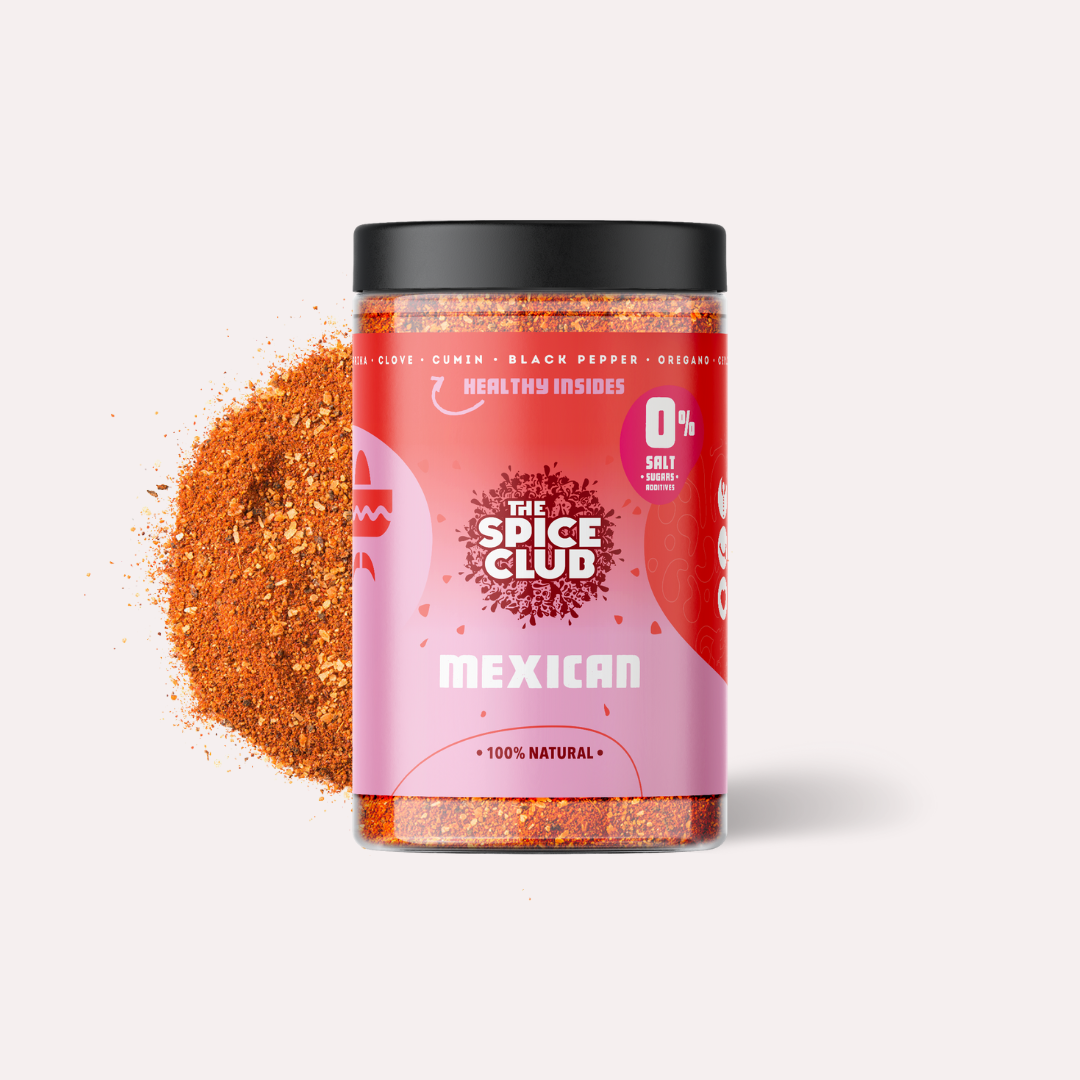
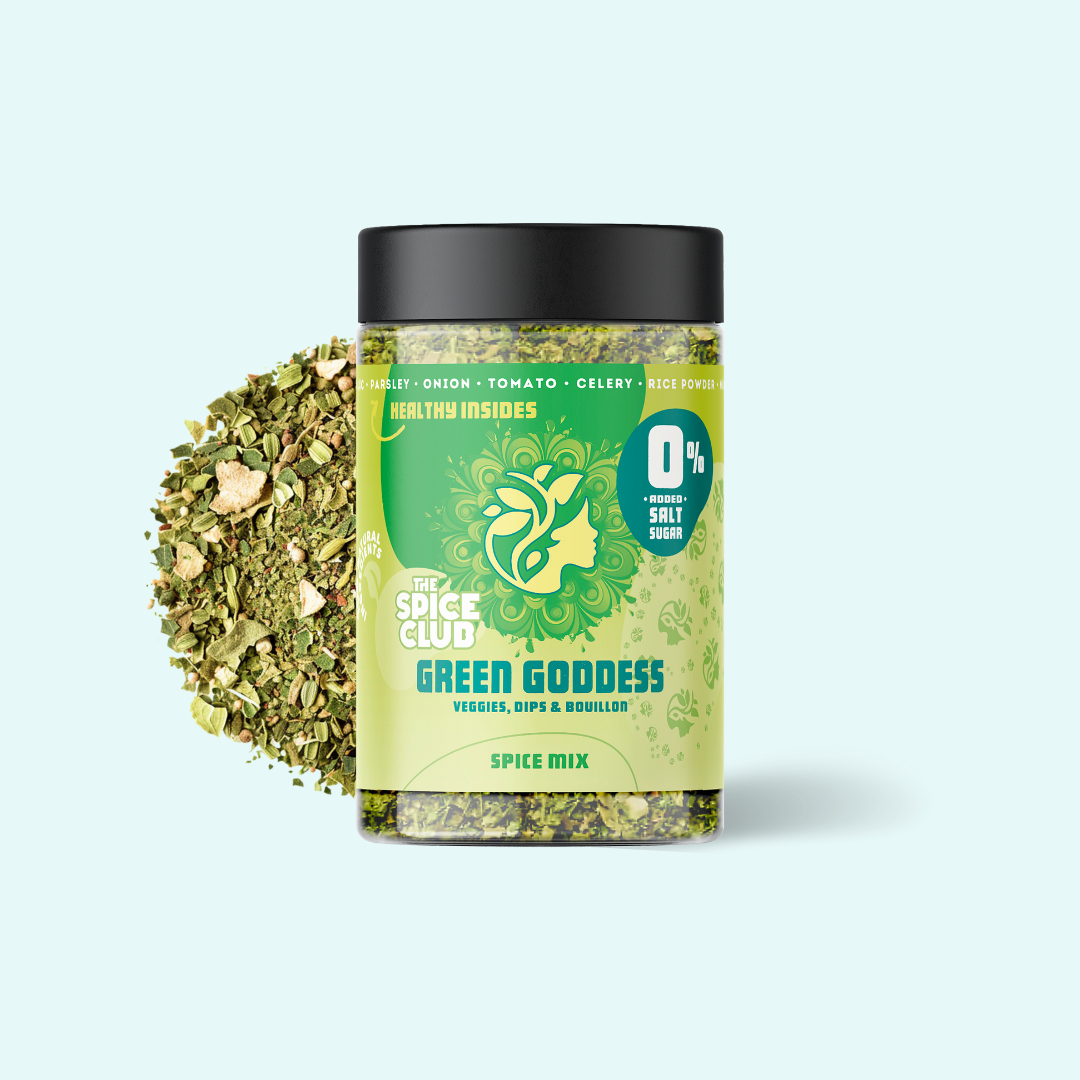
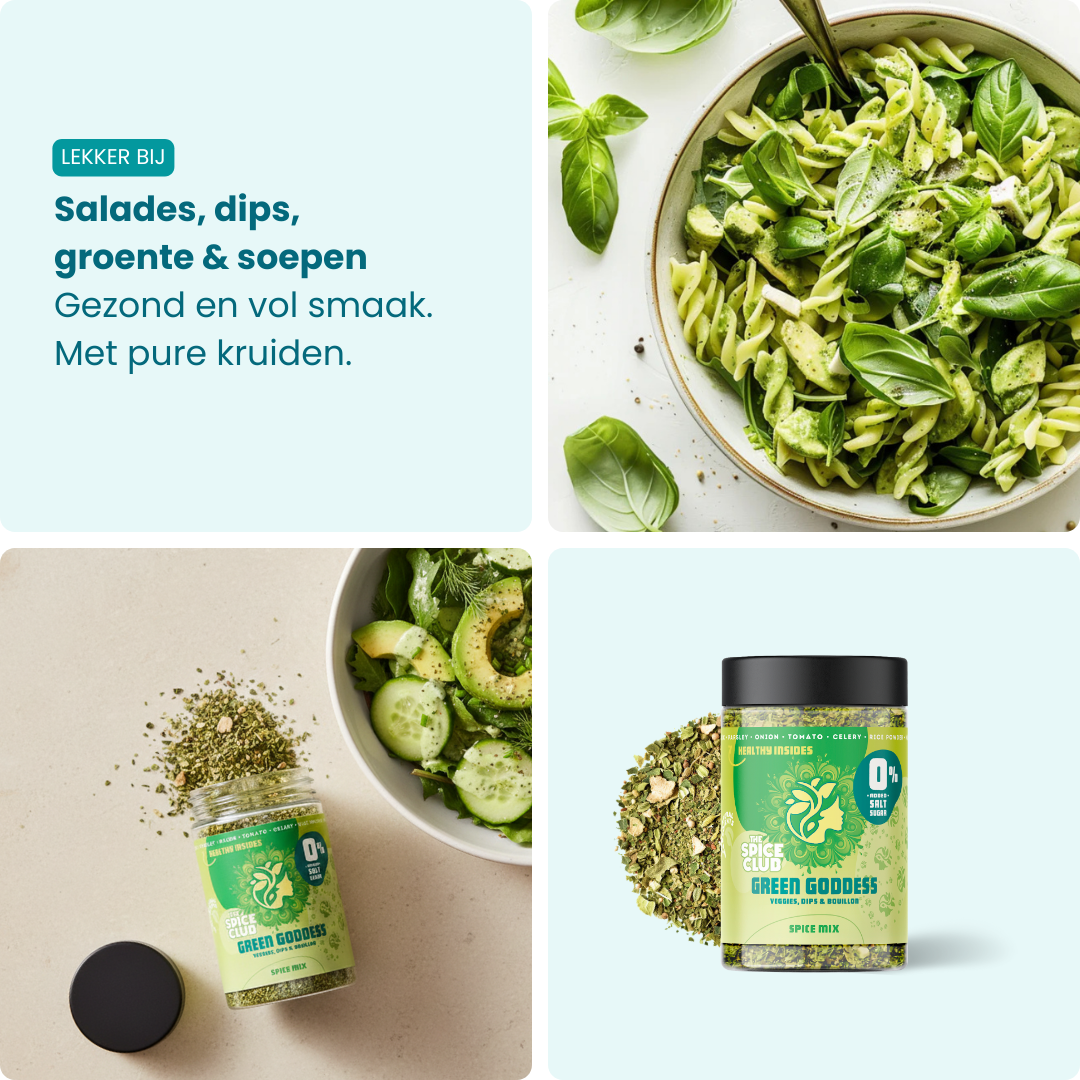
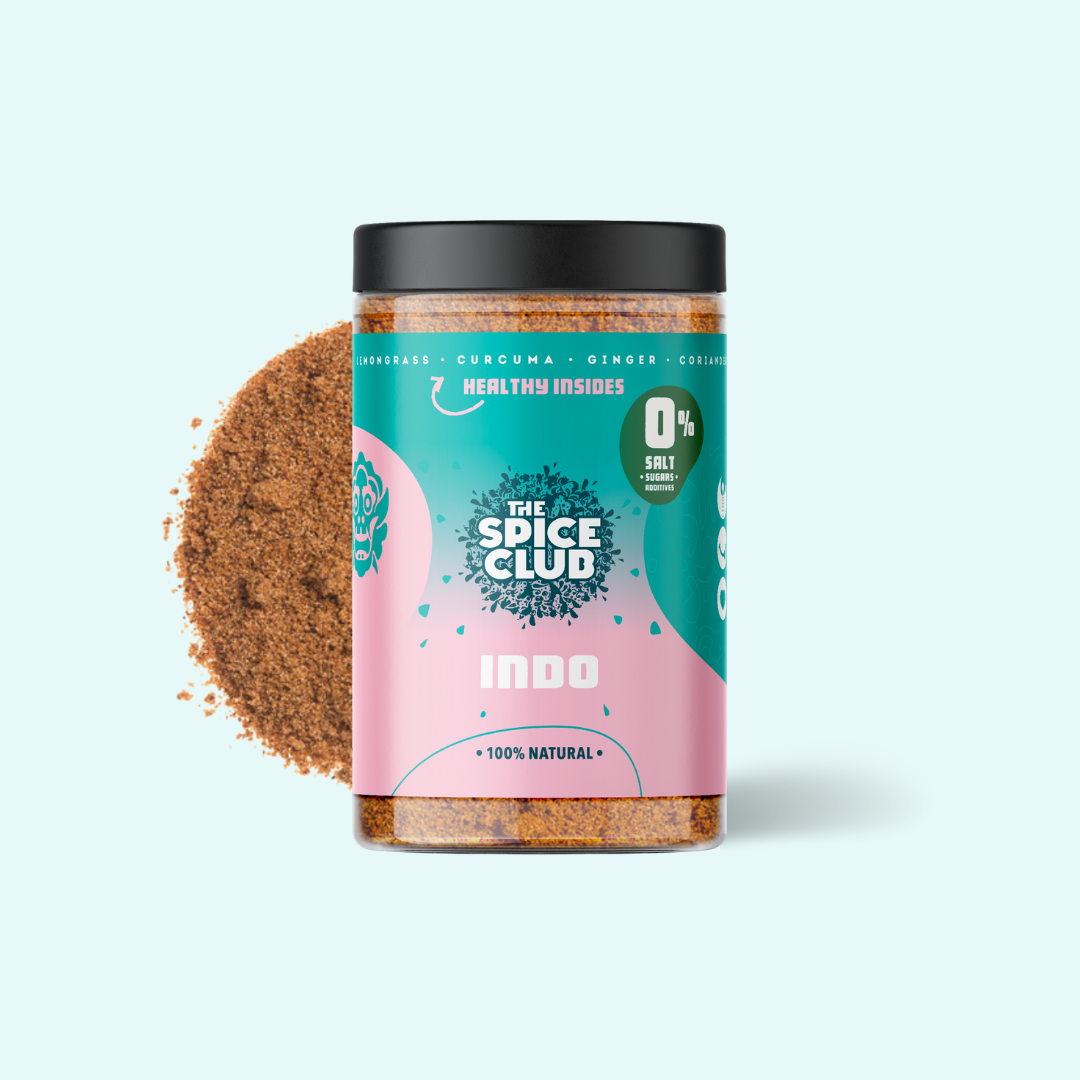
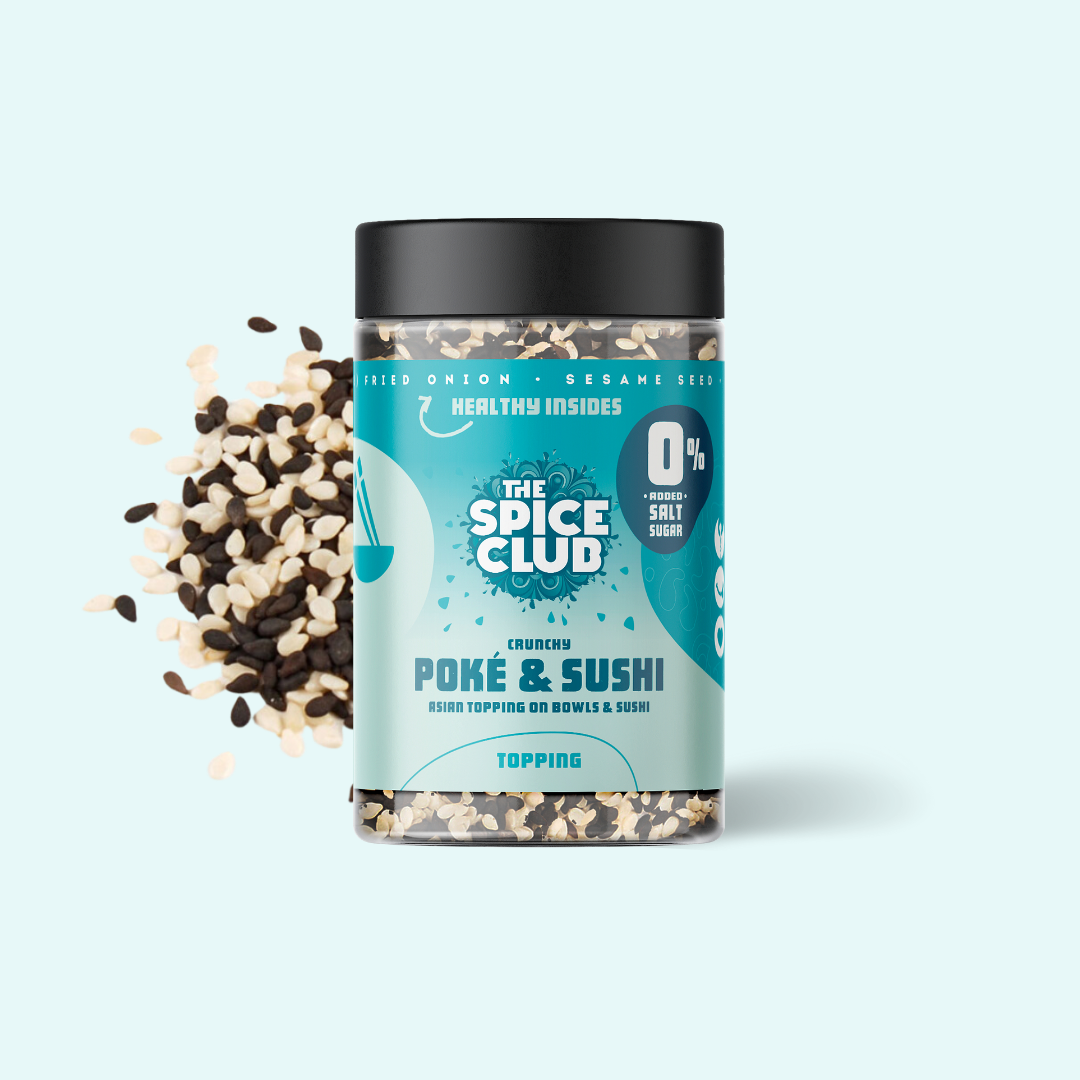
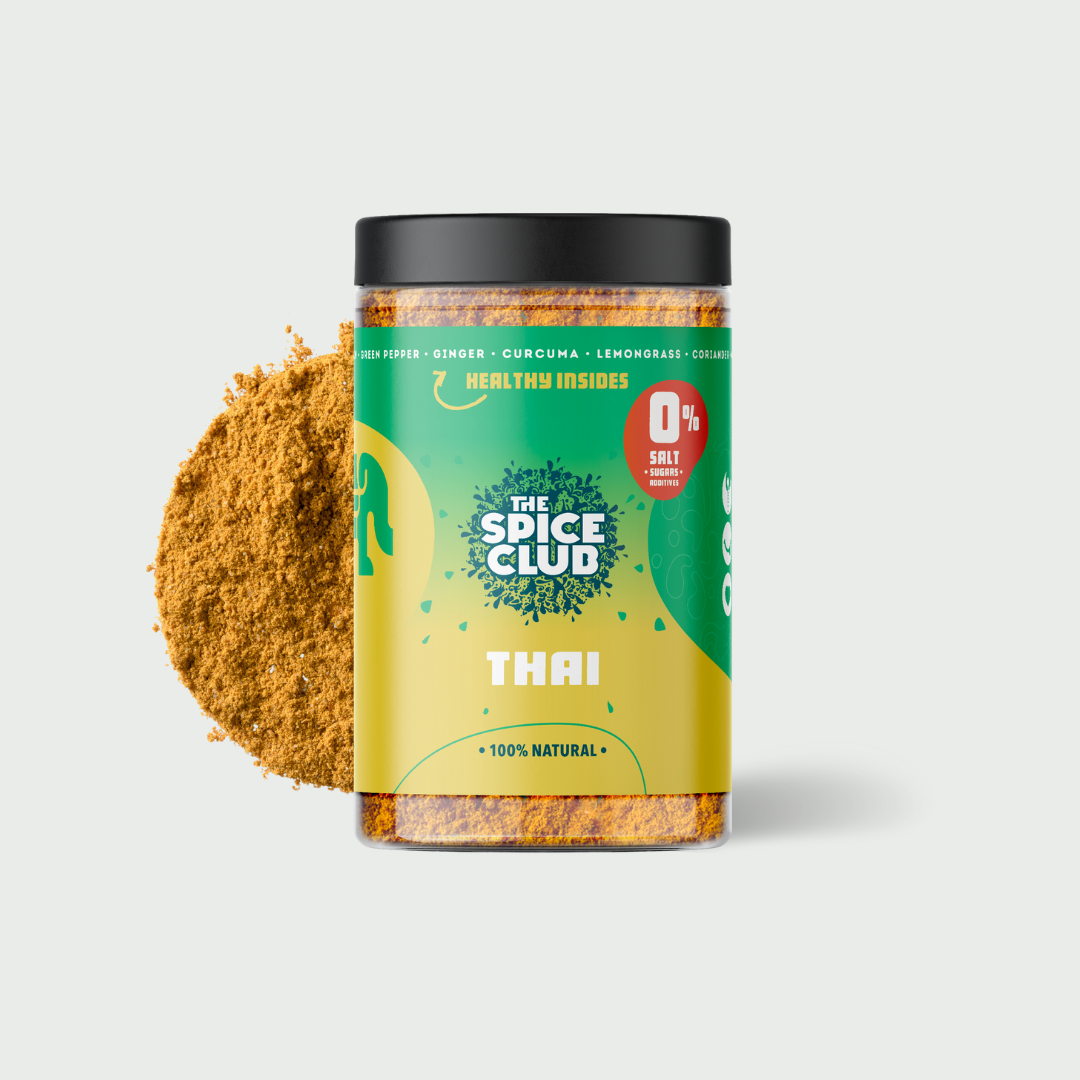
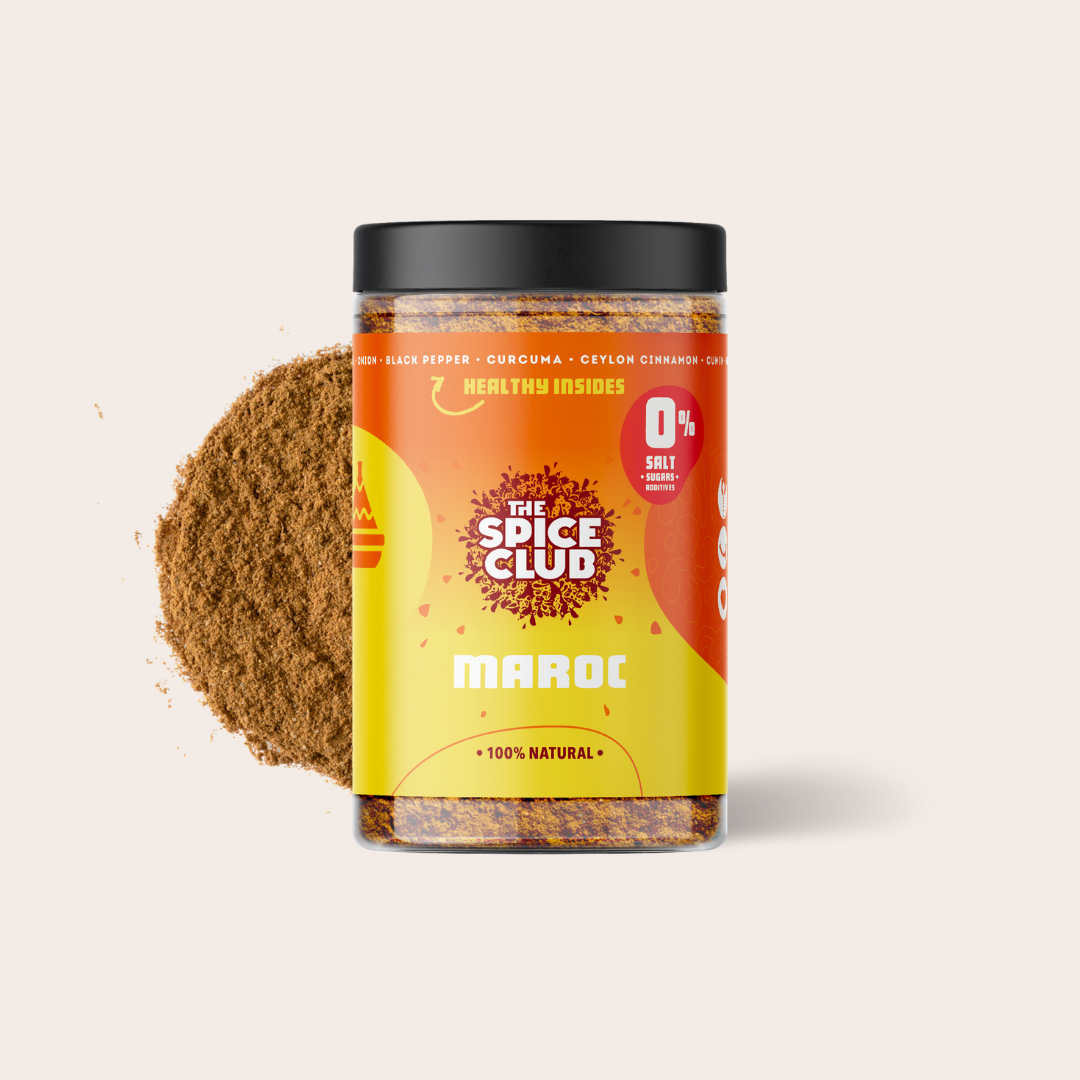
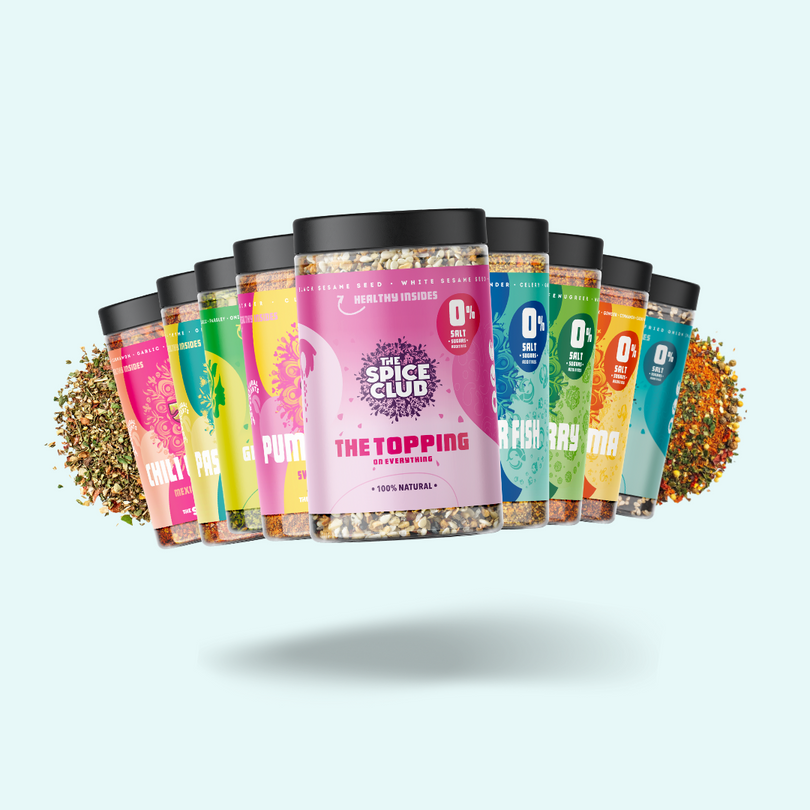
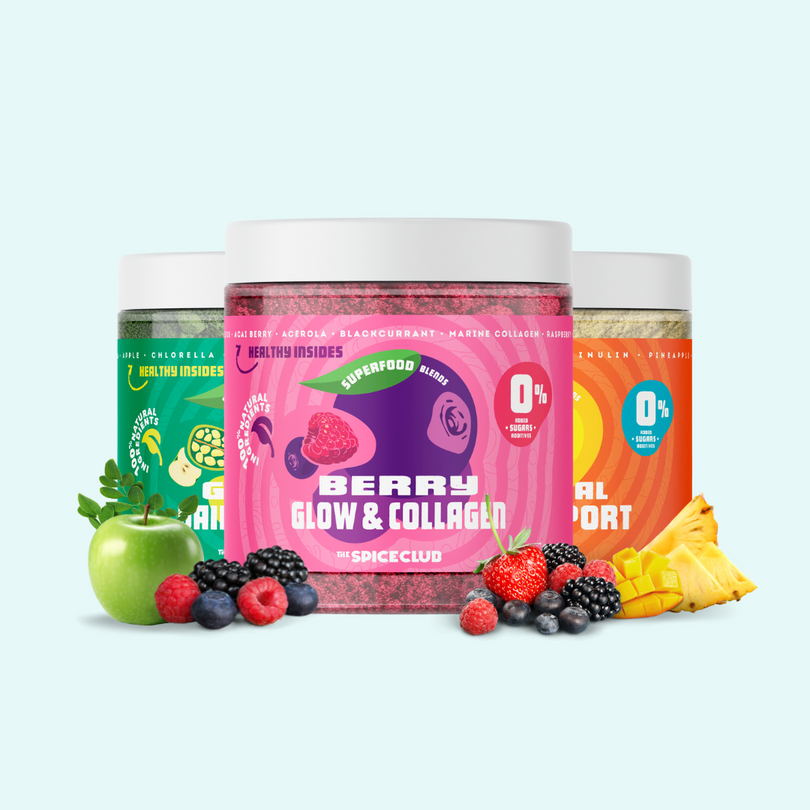
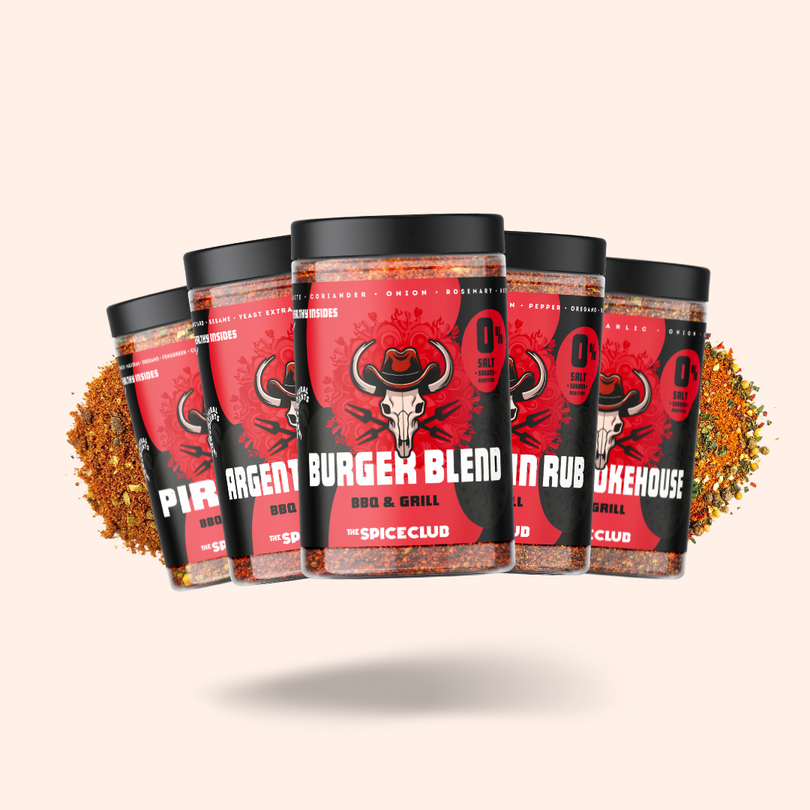
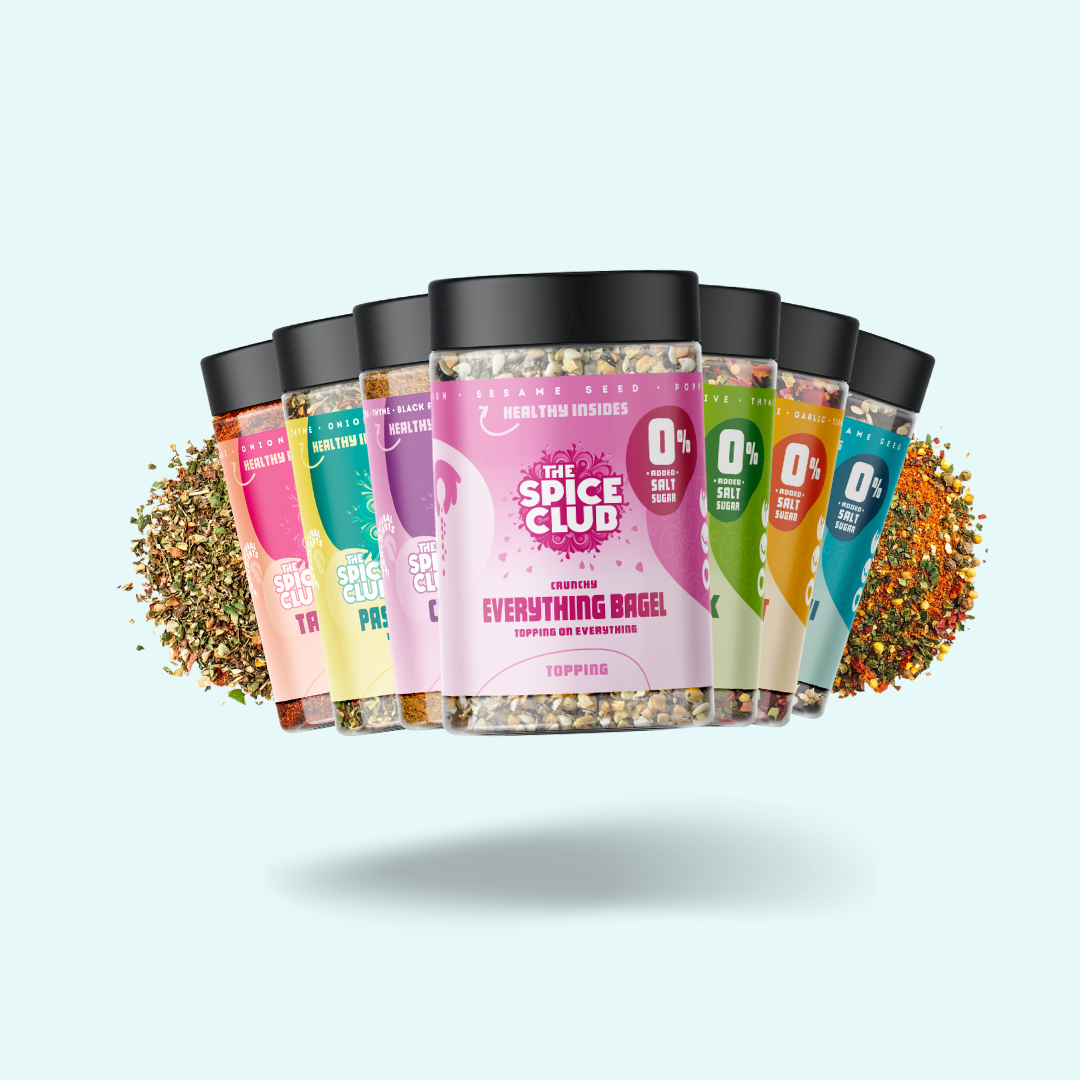
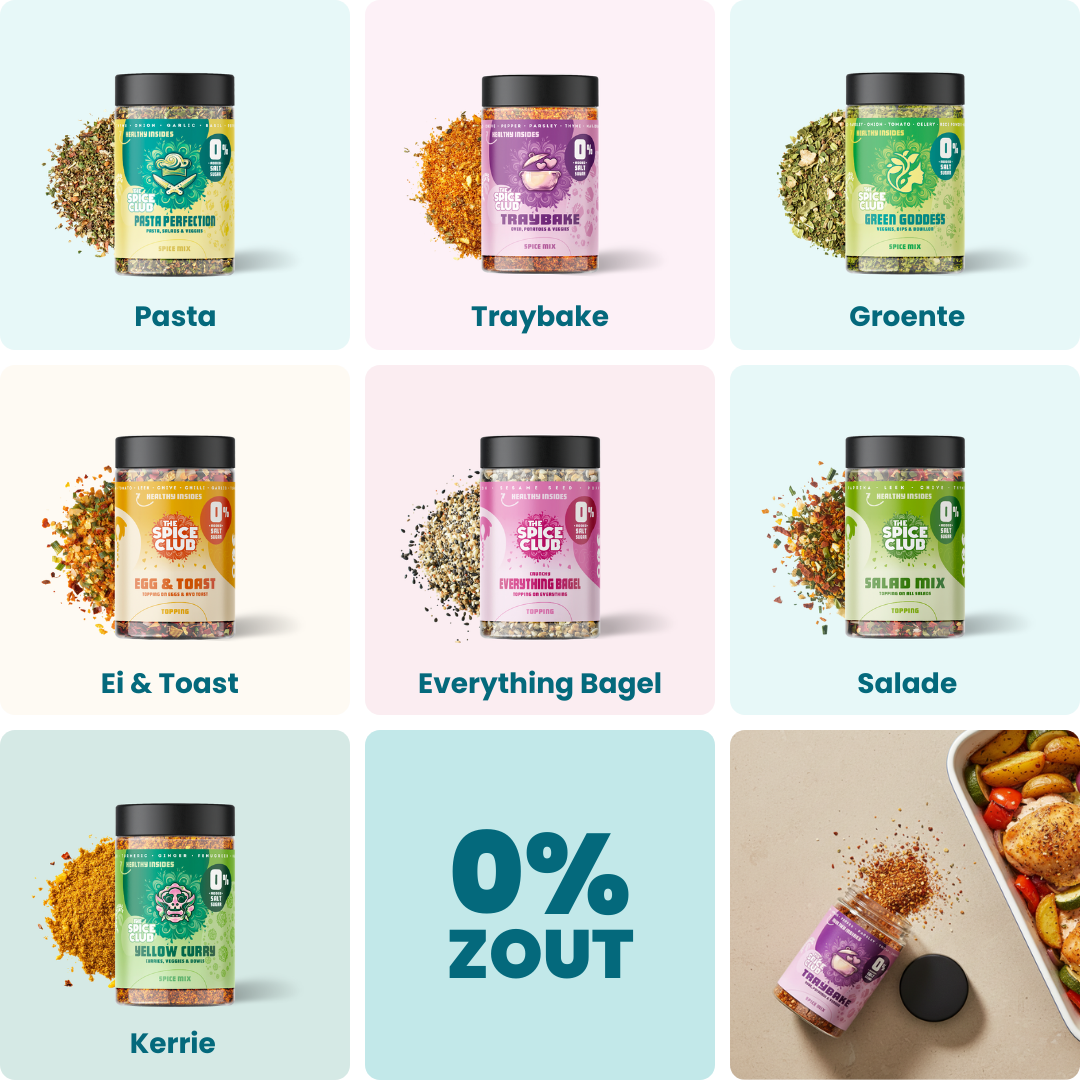
At The Spice Club, we believe in offering products that are not only delicious but also good for your health. Our spice blends contain 100% natural ingredients without salt or artificial additives. Choose health, choose honesty, choose The Spice Club.
Liquid error (sections/main-article line 144): Could not find asset snippets/recipekit.liquid